

Back to articles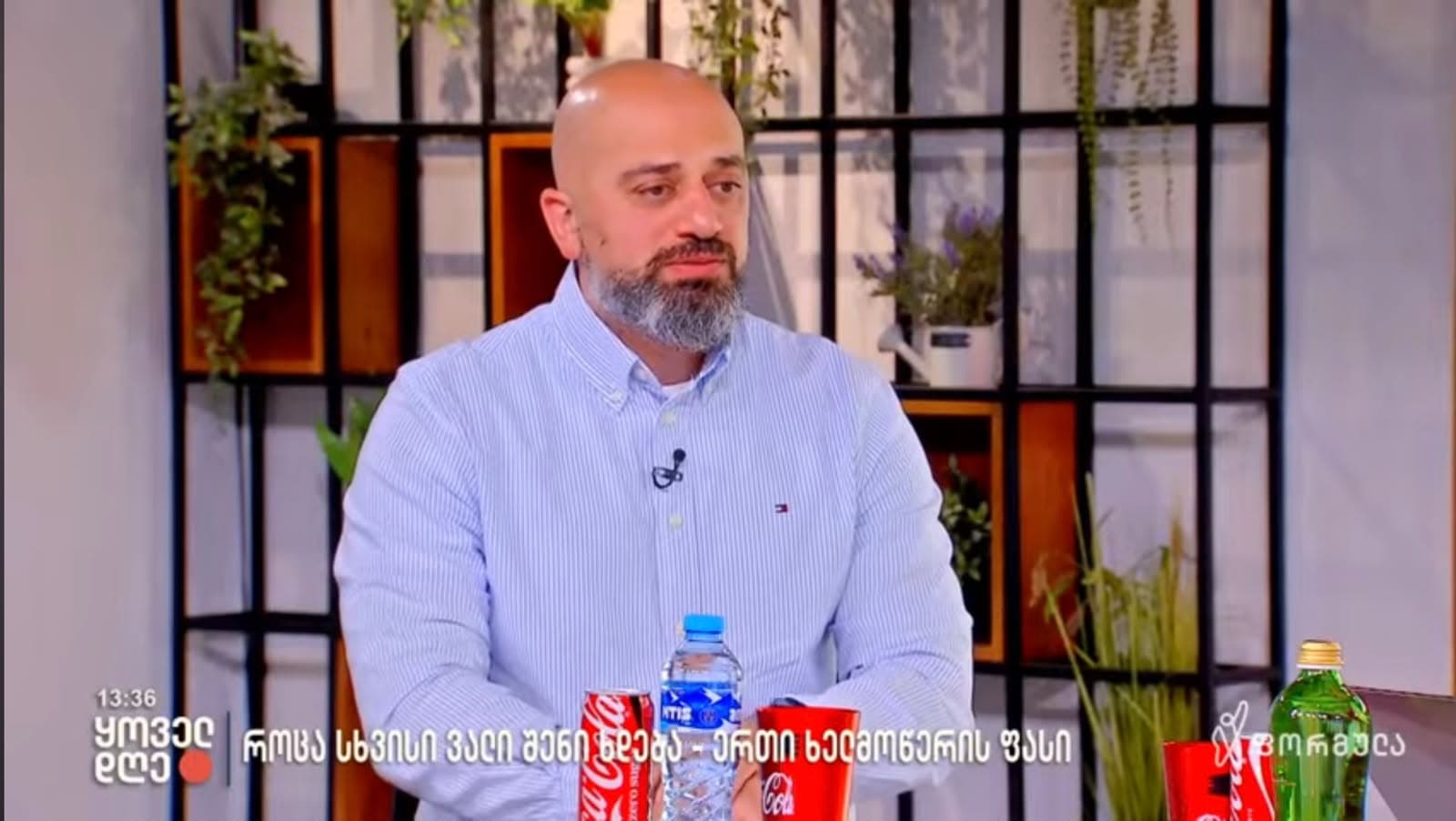
All specialistsAll specialists
Article location
This article is available in Georgian only.
Read in:ქართული
სამართალი
როცა სხვისი ვალი შენი ხდება - ერთი ხელმოწერის ფასი
„უბრალოდ თავდებად დამიდექი…“
„შენს ბინას მხოლოდ დროებით დავტვირთავთ იპოთეკით…“
„არაფრის გადახდა შენ არ მოგიწევს…“
რამდენად ძვირი შეიძლება დაგვიჯდეს ერთი ასეთი ხელმოწერა?
ახალ ინტერვიუში ვისაუბრეთ იმ შემთხვევებზე, როდესაც სხვის დასახმარებლად მიღებული გადაწყვეტილება საბოლოოდ ჩვენს ფინანსურ ვალდებულებად და ქონებრივ რისკად შეიძლება იქცეს.
🔹 რას ნიშნავს რეალურად თავდებად დადგომა?
🔹 როდის შეიძლება სხვისი ვალის გადახდა თავდებს დაეკისროს?
🔹 შეიძლება თუ არა საკუთარი ქონებით სხვისი ვალის გადახდა?
🔹 რა რისკს იღებს ადამიანი, რომელიც მეგობრის ბიზნესისთვის საკუთარ ბინას იპოთეკით ტვირთავს?
🔹 და რა ხდება, როდესაც აღმოვაჩენთ, რომ ჩვენს სახელზე სესხია გაფორმებული, რომელიც საერთოდ არ აგვიღია?
გადაცემაში, იურისტ გოგა ხატიაშვილთან ერთად, სწორედ ამ საკითხებს პრაქტიკული თვალსაზრისით შევეხეთ.
ერთი ხელმოწერა შეიძლება უბრალოდ ხელმოწერა არ იყოს.
ზოგჯერ ის სხვის ვალდებულებაზე საკუთარ პასუხისმგებლობას ნიშნავს.
🎥 ინტერვიუში ვსაუბრობთ იმაზე, რა უნდა ვიცოდეთ მანამდე, სანამ ხელს მოვაწერთ.
Read more on this topic
LLC vs Individual Entrepreneur in Georgia: Which Is Right for Foreigners (2026)
Choosing between an LLC and Individual Entrepreneur status is the first big decision for foreigners doing business in Georgia. This guide compares personal liability, the 1% small-business turnover regime versus profit-based taxation, accounting burden, and setup cost and time — and gives a clear rule of thumb for which structure fits which founder.
Personal Data Protection for Business in Georgia 2026
Personal Data Protection for Business in Georgia: What Companies Should Consider in 2026
Introduction: What Changed on March 2, 2026? As of March 2, 2026, the Personal Data Protection Service was abolished and its functions - supervision, inspections, incident review, and receipt of statements from subjects - were transferred to the State Audit Service. This change raises open questions. The Personal Data Protection Service was a specialized, separately established institution, while the main mandate of the State Audit Service is control of state finances. The specialized competence and speed of the new structure are still to be tested. Business and the civil sector should closely monitor this development. What has not changed: The requirements of the law - obligations, penalties, and rights of subjects - are in full force. Official contact: State Audit Office - sao.ge
Part I: Who does the law apply to?
The Law “On Personal Data Protection” applies to all persons or organizations that process data on the territory of Georgia using automated or semi-automated means; or are based outside Georgia but process local data using technical means available in Georgia. This means that the law applies to: all companies, institutions where personal data of a person is processed. Video, audio monitoring. Exception: completely personal and family activities of a natural person, which are not related to entrepreneurial or professional activities. In addition, the law does not apply to the processing of personal data of a legal entity. The focus of the law is the personal data of a natural person.
Divorce in Georgia: Procedure, Deadlines, and the Role of a Lawyer
Divorce can be done through a notary (by mutual agreement) or through a court. The article explains the procedure, the required documents and deadlines, the rules for dividing alimony and joint property, child custody, and when a lawyer is necessary.
Why are bank accounts being denied in Georgia in 2026, and how can I open one?
In 2026, opening an account with a Georgian bank became more difficult: banks aligned their procedures with FATF standards and require confirmation of the source of funds and purpose of the account. This article explains why non-residents are being rejected, what documents to prepare, and how to pass KYC at Bank of Georgia and TBC the first time.
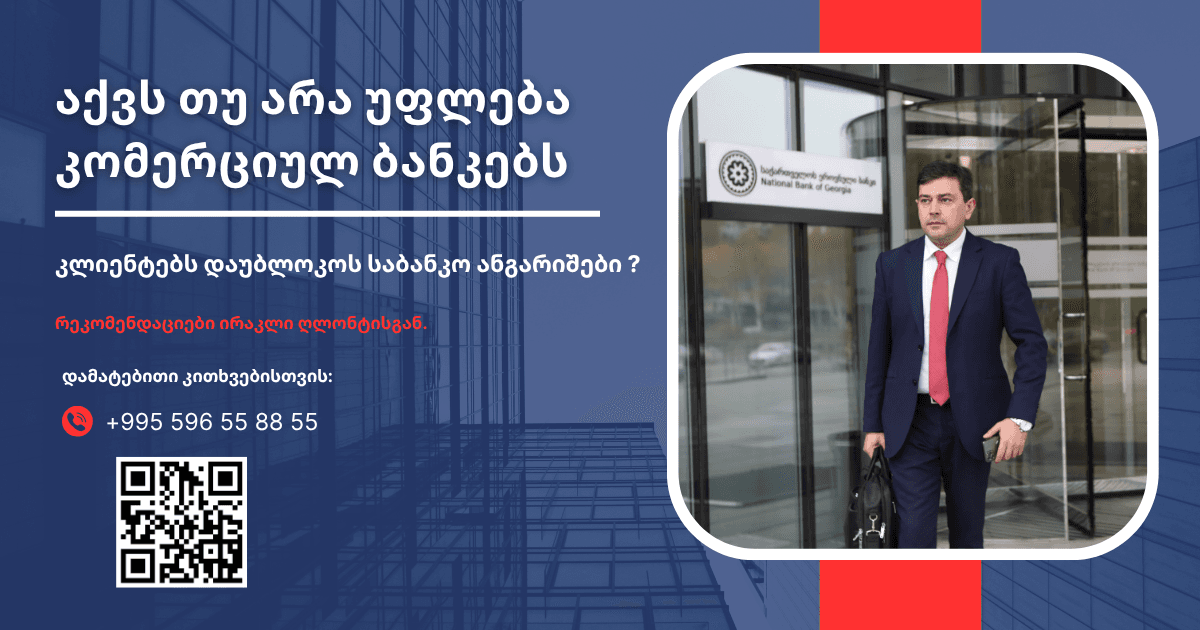
Do banks have the right to block client accounts?
When the client fully cooperates with the bank, fills out the relevant questionnaires in good faith, submits the requested documentation, and additionally expresses his willingness to provide the bank with the necessary information at any time, there is clearly no legal basis for closing the account.
Who owns the content created by ChatGPT? Explanation of the law 2026
1. Can an artificial intelligence such as ChatGPT be considered the author of a work under Georgian law?
No, according to the Georgian Law on Copyright and Related Rights, copyright belongs only to the natural person (human being) whose intellectual and creative activity created the work. Artificial intelligence systems cannot be authors, so content generated by artificial intelligence does not have the automatic copyright protection granted to human works.
2. Who owns the results generated by ChatGPT and can I use it commercially?
According to OpenAI's Terms of Use, the generated results belong to the user (with reservations, such as OpenAI's right to use the data to improve the model). Commercial use is allowed as long as you follow the platform's rules, but there may still be legal risks such as plagiarism or lack of originality.
3. What are the main legal risks when using AI-generated content?
The main risks are lack of originality, which leads to plagiarism or copyright infringement (if based on protected works), potential authorship disputes from clients, and emerging international practices (e.g., the US Copyright Office requires significant human input for protection). Each work requires individual analysis.
Specialists in this field
These lawyers work in legal areas related to this article
