


Justice
28Related topics
Subcategories
Shows only articles in the selected subtopic on this page
⌘K

Available in Georgian
როცა სხვისი ვალი შენი ხდება - ერთი ხელმოწერის ფასი
„უბრალოდ თავდებად დამიდექი…“ „შენს ბინას მხოლოდ დროებით დავტვირთავთ იპოთეკით…“ „არაფრის გადახდა შენ არ მოგიწევს…“ რამდენად ძვირი შეიძლება დაგვიჯდეს ერთი ასეთი ხელმოწერა? ახალ ინტერვიუში ვისაუბრეთ იმ შემთხვევებზე, როდესაც სხვის დასახმარებლად მიღებული გადაწყვეტილება საბოლოოდ ჩვენს ფინანსურ ვალდებულებად და ქონებრივ რისკად შეიძლება იქცეს. 🔹 რას ნიშნავს რეალურად თავდებად დადგომა? 🔹 როდის შეიძლება სხვისი ვალის გადახდა თავდებს დაეკისროს? 🔹 შეიძლება თუ არა საკუთარი ქონებით სხვისი ვალის გადახდა? 🔹 რა რისკს იღებს ადამიანი, რომელიც მეგობრის ბიზნესისთვის საკუთარ ბინას იპოთეკით ტვირთავს? 🔹 და რა ხდება, როდესაც აღმოვაჩენთ, რომ ჩვენს სახელზე სესხია გაფორმებული, რომელიც საერთოდ არ აგვიღია? გადაცემაში, იურისტ გოგა ხატიაშვილთან ერთად, სწორედ ამ საკითხებს პრაქტიკული თვალსაზრისით შევეხეთ. ერთი ხელმოწერა შეიძლება უბრალოდ ხელმოწერა არ იყოს. ზოგჯერ ის სხვის ვალდებულებაზე საკუთარ პასუხისმგებლობას ნიშნავს. 🎥 ინტერვიუში ვსაუბრობთ იმაზე, რა უნდა ვიცოდეთ მანამდე, სანამ ხელს მოვაწერთ.
19 Aug 2026
10 min readკლიმატის ცვლილება აღარ არის ხვალინდელი პრობლემა - როგორ აქცია სასამართლოებმა იგი ადამიანის უფლებების საკითხად
კლიმატის ცვლილების სამართლებრივ მნიშვნელობას და სახელმწიფოს პასუხისმგებლობას ადამიანის უფლებების დაცვის კუთხით. კლიმატის ცვლილება დღეს უკვე მხოლოდ გარემოსდაცვითი პრობლემა აღარ არის — ის დაკავშირებულია ადამიანის სიცოცხლის, ჯანმრთელობის, უსაფრთხოების, ღირსებისა და საკუთრების უფლებებთან. ევროპული სასამართლოების პრაქტიკაში თანდათან ჩამოყალიბდა პრინციპი, რომ სახელმწიფოს აქვს პოზიტიური ვალდებულება— არა მხოლოდ თავად არ დააზიანოს გარემო, არამედ მიიღოს ეფექტიანი და დროული ზომები გარემოსდაცვითი და კლიმატური საფრთხეების თავიდან ასაცილებლად. ამის მაგალითებია საქმეები Lopez Ostra, Guerra,Öneryıldız, Budayeva და სხვები. განსაკუთრებით მნიშვნელოვანია, 2024 წლის KlimaSeniorinnen-ის საქმე, რომელმაც კლიმატის ცვლილების წინააღმდეგ ეფექტიანი სახელმწიფო პოლიტიკა ადამიანის უფლებათა დაცვის სამართლებრივ ვალდებულებად აღიარა. ტექსტი ასევე მიმოიხილავს სხვადასხვა ქვეყნების გამოცდილებას: საფრანგეთშიგარემოს დაცვა კონსტიტუციურ დონეზეა აღიარებული, გერმანიაში კი სასამართლომ მომავალი თაობების უფლებების დაცვის აუცილებლობა დაადგინა. საქართველოში ეს მიმართულება ჯერ კიდევ ვითარდება. საკონსტიტუციო სასამართლომ დაადგინა, რომ ჯანსაღ გარემოში ცხოვრების უფლება სახელმწიფოს აკისრებს როგორც ნეგატიურ, ისე პოზიტიურ ვალდებულებებს ასევე, უზენაესი სასამართლოს საქმეებში — ვერეს ხეობის ტრაგედია, საშიში ხეები და დატბორილი ავტომობილი — გამოიკვეთა, რომ სახელმწიფო ან მუნიციპალიტეტი პასუხისმგებელია მაშინ, როდესაც საფრთხე წინასწარ განჭვრეტადი იყო, არსებობდა პრევენციის შესაძლებლობა და შესაბამისმა ორგანოებმა სათანადოდ არ იმოქმედეს. კლიმატის ცვლილების ეპოქაში სახელმწიფოს პასუხისმგებლობა აღარ შემოიფარგლება უკვე მომხდარ ზიანზე რეაგირებით. მას ევალება **კლიმატურ რისკებთან ადაპტაცია, ინფრასტრუქტურის გამართულობის უზრუნველყოფა და წინასწარ განჭვრეტადი ზიანის პრევენცია* რათა დაცული იყოს ადამიანის ფუნდამენტური უფლებები.
15 Jul 2026
3 min readIoseb Gabaraev
"Principles on presence at the appeal hearing when overturning an acquittal." (Last updated: 28/02/2026)
"Principles of Attendance at the Appeal Hearing after the First Instance Acquittal" - (Last updated: 28/02/2026) - The document was prepared by the Secretariat/Registry of the European Court of Human Rights (ECHR) with the aim of systematizing the case-law of the Court, summarizing the main principles, and assisting lawyers and national courts. Naturally, it does not constitute a source of law and has no binding force. ECHR-KS Key Theme - Article 6 (criminal) Presence at the appeal hearing after the first instance acquittal - (Last updated: 28/02/2026)
1 min read
Available in Georgianსასამართლო გადაწყვეტილებიდან რეალურ შედეგამდე
სასამართლოში მოგებული საქმე ყოველთვის არ ნიშნავს რეალურად აღდგენილ უფლებას. გაჩერებული ფული ხშირად ნიშნავს შეფერხებულ ბიზნესს.
5 Jun 2026
5 min readLLC vs Individual Entrepreneur in Georgia: Which Is Right for Foreigners (2026)
Choosing between an LLC and Individual Entrepreneur status is the first big decision for foreigners doing business in Georgia. This guide compares personal liability, the 1% small-business turnover regime versus profit-based taxation, accounting burden, and setup cost and time — and gives a clear rule of thumb for which structure fits which founder.
5 Jun 2026
3 min readWhy are bank accounts being denied in Georgia in 2026, and how can I open one?
In 2026, opening an account with a Georgian bank became more difficult: banks aligned their procedures with FATF standards and require confirmation of the source of funds and purpose of the account. This article explains why non-residents are being rejected, what documents to prepare, and how to pass KYC at Bank of Georgia and TBC the first time.
5 Jun 2026
3 min readDivorce in Georgia: Procedure, Deadlines, and the Role of a Lawyer
Divorce can be done through a notary (by mutual agreement) or through a court. The article explains the procedure, the required documents and deadlines, the rules for dividing alimony and joint property, child custody, and when a lawyer is necessary.
2 Jun 2026
3 min readბრენდის სახელი არ გეკუთვნის შენ, სანამ სასაქონლო ნიშნად არ დაარეგისტრირებ
პოსტი ეხება სასაქონლო ნიშნის რეგისტრაციის აუცილებლობას, საერთაშორისო და საქართველოს კანონმდებლობის შედარებითსამართლევ ასპექტებს. ამასთან, პოსტი მოიცავს პრაქტიკულ რჩევა/რეკომენდაციას.

27 May 2026
4 min readIrakli Glonti
Do banks have the right to block client accounts?
When the client fully cooperates with the bank, fills out the relevant questionnaires in good faith, submits the requested documentation, and additionally expresses his willingness to provide the bank with the necessary information at any time, there is clearly no legal basis for closing the account.

11 May 2026
3 min readკენიე უესტის ბილეთები, წინასწარი გაყიდვები და დიდი მონაცემები
ტექსტი აანალიზებს კომერციული ბანკის მარკეტინგულ კამპანიას — კენიე უესტის კონცერტზე ბილეთების ფასდაკლებას — როგორც შესაძლო ორმაგი სტრატეგიის მაგალითს, რომელიც ერთდროულად ემსახურება პირდაპირ ფინანსურ სარგებელს და მომხმარებელთა მონაცემების კაპიტალიზაციას.

27 Mar 2026
3 min readსაკანონმდებლო შეცდომა სამოქალაქო კოდექსში ?
ია ხარაზი, ქეთევან კვინიკაძე, ჰუუბ ვილემსი და მზია თოდუა ეს იმ ავტორთა მცირე ჩამონათვალია, რომლებიც მიიჩნევენ, რომ საზიარო უფლებების ადგილი არა კანონისმიერ ვალდებულებით სამართალში, არამედ სანივთო სამართალშია. ეს ავტორები თავიანთ ნაშრომებში საუბრობენ საზიარო უფლებების ადგილზე სანივთო სამართალში და თავის დამოკიდებულებასაც გამოხატავენ. ია ხარაზი და ქეთევან კვინიკაძე მიიჩნევენ, რომ საზიარო უფლებების, ადგილი სანივთო სამართალში განპირობებული უნდა იყოს იმით, რომ საზიარო უფლებები ასოცირდება სწორედ იმ უფლებებთა, რომელსაც საკუთრების უფლება ეწოდება. „ სათაური საზიარო უფლებები გარკვეულ გაუგებრობას იწვევს. როცა საუბარია უფლებებზე, ის ყოველთვის ასოცირდება საკუთრების უფლებასთან. ამას გარკვეული საფუძველი აქვს, ვინაიდან ის მოთხოვნები და უფლებები, რომლებიც საზიარო უფლებების მატარებელ სუბიექტს აქვს, მიეკუთვნება მესაკუთრის უფლებამოსილებას, კერძოდ: წილის ნატურით გამოყოფა, მართვა, განკარგვა და ა.შ.“
24 Mar 2026
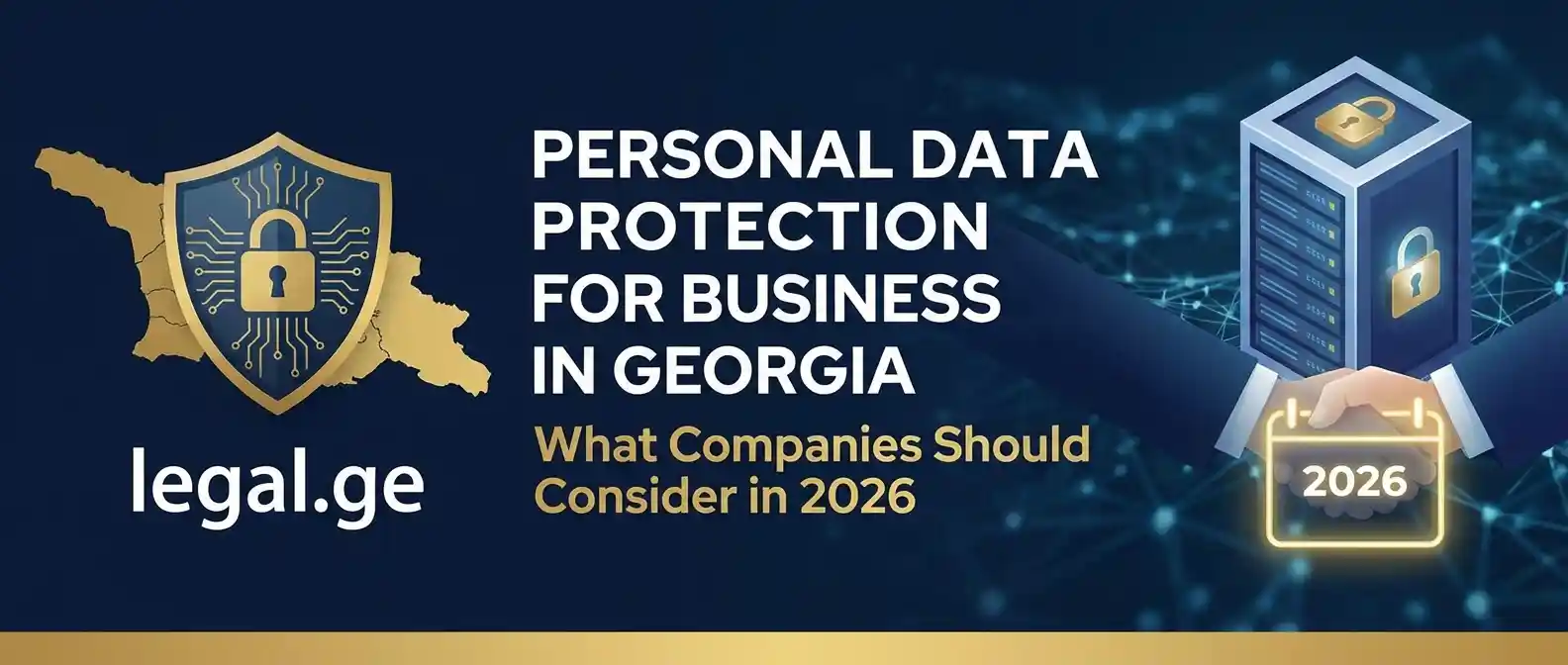
7 min readPersonal Data Protection for Business in Georgia 2026
<h3>Personal Data Protection for Business in Georgia: What Companies Should Consider in 2026</h3> <p>Introduction: What Changed on March 2, 2026? As of March 2, 2026, the Personal Data Protection Service was abolished and its functions - supervision, inspections, incident review, and receipt of statements from subjects - were transferred to the State Audit Service. This change raises open questions. The Personal Data Protection Service was a specialized, separately established institution, while the main mandate of the State Audit Service is control of state finances. The specialized competence and speed of the new structure are still to be tested. Business and the civil sector should closely monitor this development. What has not changed: The requirements of the law - obligations, penalties, and rights of subjects - are in full force. Official contact: State Audit Office - sao.ge</p> <h3>Part I: Who does the law apply to?</h3> <p>The Law “On Personal Data Protection” applies to all persons or organizations that process data on the territory of Georgia using automated or semi-automated means; or are based outside Georgia but process local data using technical means available in Georgia. This means that the law applies to: all companies, institutions where personal data of a person is processed. Video, audio monitoring. Exception: completely personal and family activities of a natural person, which are not related to entrepreneurial or professional activities. In addition, the law does not apply to the processing of personal data of a legal entity. The focus of the law is the personal data of a natural person.</p>
2 Mar 2026
3 min readWho owns the content created by ChatGPT? Explanation of the law 2026
<h2>1. Can an artificial intelligence such as ChatGPT be considered the author of a work under Georgian law?</h2> <p>No, according to the Georgian Law on Copyright and Related Rights, copyright belongs only to the natural person (human being) whose intellectual and creative activity created the work. Artificial intelligence systems cannot be authors, so content generated by artificial intelligence does not have the automatic copyright protection granted to human works.</p> <h2>2. Who owns the results generated by ChatGPT and can I use it commercially?</h2> <p>According to OpenAI's Terms of Use, the generated results belong to the user (with reservations, such as OpenAI's right to use the data to improve the model). Commercial use is allowed as long as you follow the platform's rules, but there may still be legal risks such as plagiarism or lack of originality.</p> <h2>3. What are the main legal risks when using AI-generated content?</h2> <p>The main risks are lack of originality, which leads to plagiarism or copyright infringement (if based on protected works), potential authorship disputes from clients, and emerging international practices (e.g., the US Copyright Office requires significant human input for protection). Each work requires individual analysis.</p>

23 Feb 2026
5 min readWorking in Georgia Without a Permit Is Now Illegal: What Foreigners Must Do
<h3>Do foreigners now need a work permit to work in Georgia?</h3> <p>Yes. From March 1, 2026, most foreign nationals without a permanent residence permit must obtain a Right to Labour Activity permit before starting any paid work, freelance activity, or business operation in Georgia. This requirement applies regardless of whether the foreigner already holds a valid visa or temporary residence permit. The permit is issued by the State Employment Promotion Agency under the Law on Labour Migration of Georgia.</p> <h3>Who is exempt from Georgia's new work permit requirement?</h3> <p>Exemptions under the Law on Labour Migration of Georgia apply to recognized refugees, asylum seekers, employees of accredited diplomatic missions and international organizations, accredited foreign journalists, and holders of valid investment residence permits or permanent residence permits. Foreign nationals performing work entirely remotely with no Georgian economic footprint — no local clients, no Georgian business registration — may also fall outside the scope of the requirement, though this distinction is pending full regulatory clarification.</p> <h3>How do I apply for a work permit in Georgia as a self-employed foreigner or individual entrepreneur?</h3> <p>Self-employed foreigners apply independently through the electronic Labour Migration portal at www.labourmigration.moh.gov.ge. The application requires personal and professional documentation, a business plan or proof of existing business activity, and payment of the service fee. Applicants must also complete a mandatory video interview with the State Employment Promotion Agency. The standard processing time is 30 calendar days; an expedited 10-working-day track is available at double the fee.</p> <h3>What are the fines for working in Georgia without a work permit?</h3> <p>Under the Law on Labour Migration of Georgia, both the foreign worker and the employing company face fines of 2,000 GEL for a first offence. Penalties increase for repeated violations within a 12-month period, doubling on the second offence and tripling thereafter. The same fines apply to self-employed foreigners operating without the required permit.</p> <h3>What is the deadline for foreigners already working in Georgia to get a work permit?</h3> <p>Foreign nationals who were registered in Georgia's Labour Migration system with active status as of March 1, 2026 have until January 1, 2027 to regularize their status by obtaining the Right to Labour Activity permit and corresponding residence documentation. Self-employed foreigners already conducting business as of March 1, 2026 face enforcement from May 1, 2026 onwards under the transitional provisions of Government Decree №70.</p> <h3>Does a valid Georgian residence permit automatically allow a foreigner to work?</h3> <p>No. Under the rules effective March 1, 2026, holding a residence permit does not automatically confer the right to work or conduct business. A separate Right to Labour Activity permit is required unless the foreigner holds a permanent or investment residence permit. Simply having a temporary residence permit is no longer a sufficient legal basis for employment or entrepreneurial activity.</p> <h3>Can an employer hire a foreigner in Georgia without going through the local labor market test?</h3> <p>In most cases, employers must first post the vacancy on the national jobs portal for at least 10 working days to demonstrate that no suitable local candidate is available. However, the labor market test does not apply to companies holding International Company status under the Tax Code of Georgia, accredited academic institutions, or positions where the monthly salary exceeds 15,000 GEL and a relevant higher education degree is objectively required.</p> <h3>How can Legal.ge help me navigate Georgia's new work permit requirements?</h3> <p>Legal.ge connects individuals and employers with qualified Georgian lawyers specialising in immigration, labour law, and business registration. Whether you need help preparing a work permit application, assessing your exemption status, or ensuring your company complies with the Law on Labour Migration, you can browse verified specialist profiles and contact a lawyer directly through the platform.</p>

20 Feb 2026
4 min readThe Nature and Intersection of Digital and Smart Contracts
Digital contracts and smart contracts intersect across the following dimensions: Taxonomic Classification: A smart contract is categorized as a subset of an electronic contract. It functions similarly to a traditional agreement, though executed in a comprehensively digitized format. Legal Nature: Smart contracts, analogous to other digital contracts, are encompassed within the legal definition of an electronic document. For a smart contract to constitute a legally binding agreement, it must fulfill the fundamental prerequisites of contract formation and validity (e.g., mutual consent of the parties and adequate terms)—requirements that programming code alone cannot substitute. Functional Overlap: Within the processes of concluding and executing a digital contract, a smart contract may be implemented as a technological utility (for example, as an automated payment mechanism for recurring transactions).

2 Feb 2026
3 min readNew Concepts of Digital Law: Big Data, BDCE, and FinTech
The legal regulation of the digital economy requires understanding the technological foundations driving the financial and business sectors. This analysis identifies four essential pillars for legal professionals: Big Data: Substantial volumes of heterogeneous digital data, facts, and unrestricted activities collected at high velocity. It is characterized by real-time processing through advanced analytical algorithms. Big Data Complex Ecosystem (BDCE): An IT infrastructure consisting of integrated systems for data collection, storage, and use. It unites data owners, cloud providers, and academic institutions into a unified infrastructure. Data Architecture: A component of the BDCE that defines how data is processed, stored, and integrated for organizational purposes. It serves as a conceptual model for data governance, lifecycle management, and security. FinTech and Big Personal Data: Financial Technology leverages Big Data, AI, and Distributed Ledger Technologies (DLT) for platform-based service delivery. This process generates "Big Personal Data"—personal information created or processed within these complex ecosystems.

30 Jan 2026
6 min readThe Intersection of Big Data and Market Competition in Georgia
In today's fast-moving digital economy, the lines between where we bank and where we shop, work, and live are becoming increasingly blurred. In Georgia, this evolution has reached a critical tipping point as the nation's two largest financial giants—TBC Group and Lion Finance Group PLC (formerly Bank of Georgia Group)—have successfully built sprawling "digital ecosystems" that touch almost every aspect of a citizen's daily life. From buying a car on MyAuto to managing a small business with Optimo, these platforms are no longer just apps; they have become the "gatekeepers" of the Georgian digital marketplace. While this integration offers undeniable convenience, it raises a profound structural question for our market: What happens when the people who hold our money also hold all of our data?

28 Jan 2026
8 min readCan Artificial Intelligence Be an Author?
The involvement of Artificial Intelligence (AI) can transcend the outcomes predetermined by a user; consequently, AI itself could be perceived as an author, given that modern AI possesses the capability to create works without human intervention. This theory is quite provocative, as it directly contradicts the standard definition of authorship, according to which an author is a natural person through whose intellectual-creative activity a work is produced. It is important to note that the primary-and perhaps only-advantage of machine authorship is that it aligns with the core logic of intellectual property rights, which dictates that the creator is the author.
30 Dec 2025
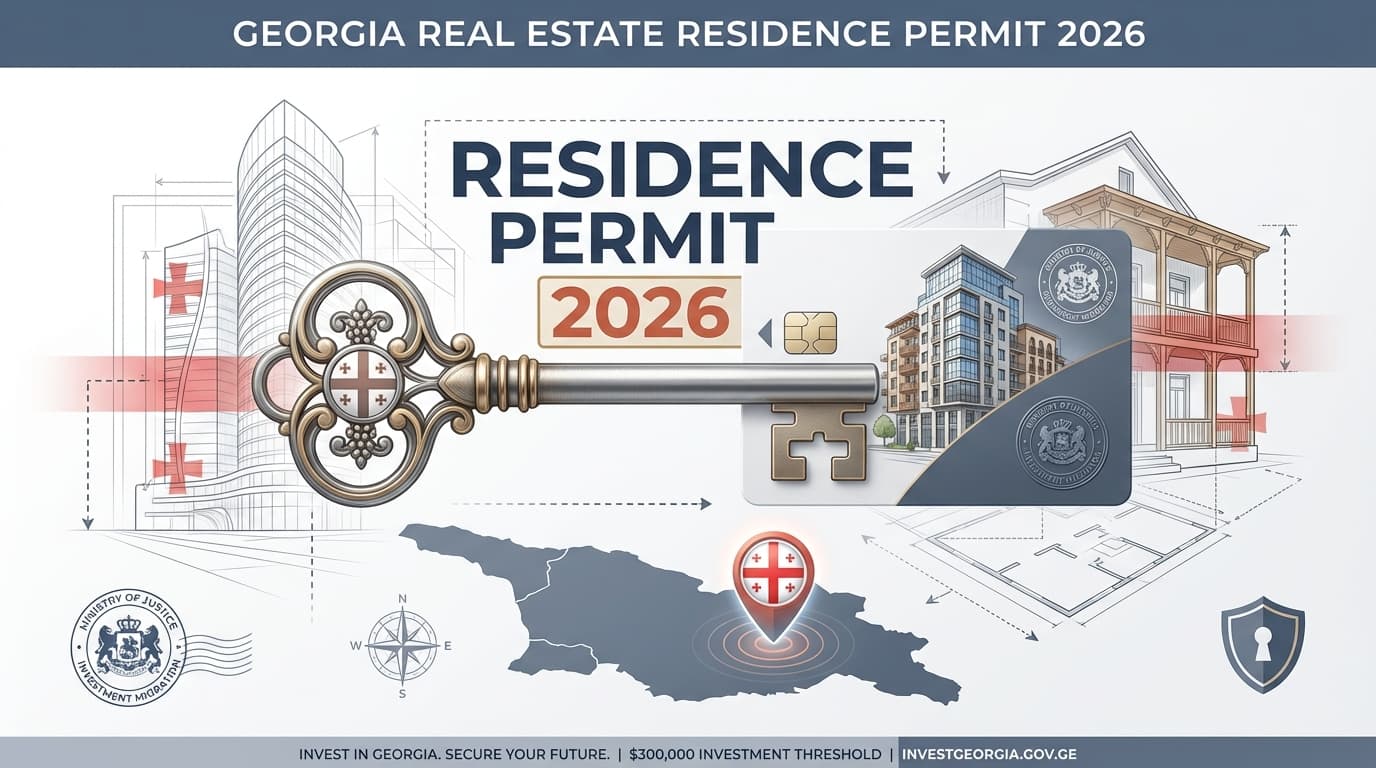
5 min readGeorgia Raises Real Estate Investment Bar for Residence Permits by 50%
Georgia raises the real estate residence permit threshold to USD 150,000, effective March 1, 2026. The 50% increase follows June 2025 legal amendments. Current USD 100,000 buyers must finalize purchases before the deadline. Existing permits remain renewable under old terms if ownership continues.

26 Dec 2025
5 min readGeorgia Tightens Controls as Digital Nomad Era Faces Regulatory Shift
On June 26, 2025, Georgia passed amendments requiring mandatory work permits for foreign nationals starting March 1, 2026. The law addresses the gap between registered and actual foreign workers. Violations incur fines of 2,000 GEL. This shifts Georgia to a regulated migration system.

30 Nov 2025
2 min readAleksandre Elisashvili Charged with Attempted Terrorism at Tbilisi City Court
The Prosecutor's Office charged Aleksandre Elisashvili with attempted terrorism at Tbilisi City Court. Investigations revealed he broke into the building on Nov 29 and poured flammable liquid to start a fire. Court marshals neutralized and detained him after he offered armed resistance. He faces 10 to 15 years in prison. Prosecution has requested pre-trial detention.

17 Nov 2025
2 min readProsecutor's Office - The defendant was sentenced to 15 years in prison for the facts of illegal purchase, storage and promotion of a large amount of narcotics
A foreign citizen was sentenced to 15 years in prison by the Tbilisi City Court for the illegal acquisition, possession, and facilitation of the sale of a large quantity of methadone. According to the Prosecutor's Office, the defendant placed the drugs in various locations for distribution.

17 Nov 2025
1 min readThe Anti-Corruption Bureau and the Personal Data Protection Service will be liquidated from March 1, 2026, the position of the Business Ombudsman and his office will be abolished from January 1, and the Law on the Business Ombudsman will also be declared invalid.
The Anti-Corruption Bureau and the Personal Data Protection Service will be liquidated from March 1, 2026, with their functions transferred to the State Audit Office. The Business Ombudsman's office will be abolished from January 1. The goal is to optimize state resources.

16 Nov 2025
2 min readProsecutor General - Searches were conducted at the apartments, houses and personal residences of Irakli Gharibashvili, Grigol Liluashvili, Otar Partskhaladze and a total of eight people associated with them
The Prosecutor's Office and State Security Service searched the homes of former top officials: Garibashvili, Liluashvili, Partskhaladze, and their associates. The operation spanned 22 locations, seizing electronics, documents, and large sums of cash. An investigation is ongoing.
15 Nov 2025
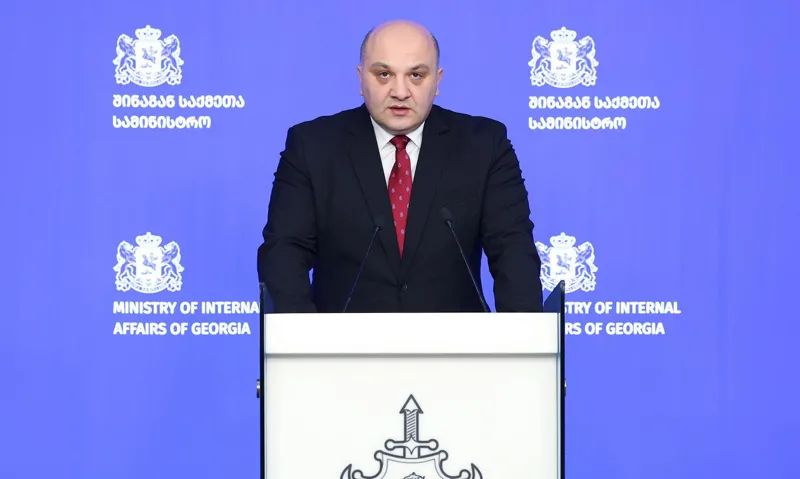
2 min readშსს - ბოლო რამდენიმე დღეში ნარკოდანაშაულისთვის 50 პირია დაკავებული, რომელთა უმრავლესობა ნარკორეალიზატორია
შსს-მ ნარკოდანაშაულისთვის 50 პირი დააკავა, უმრავლესობა ნარკორეალიზატორია. ამოღებულია დიდი ოდენობით ნარკოტიკი. დაკავებულებს 20 წლამდე ან უვადო პატიმრობა ემუქრებათ.

14 Nov 2025
2 min readThe Prosecutor's Office has charged 50 individuals with the illegal purchase, storage, facilitation of sale, and sale of large and especially large amounts of narcotics.
The Prosecutor's Office charged 50 individuals, including foreigners, with drug crimes. According to the investigation, they illegally purchased, stored, and sold narcotics. Various types of drugs were seized. The defendants face up to 20 years to life in prison.
22 Oct 2025
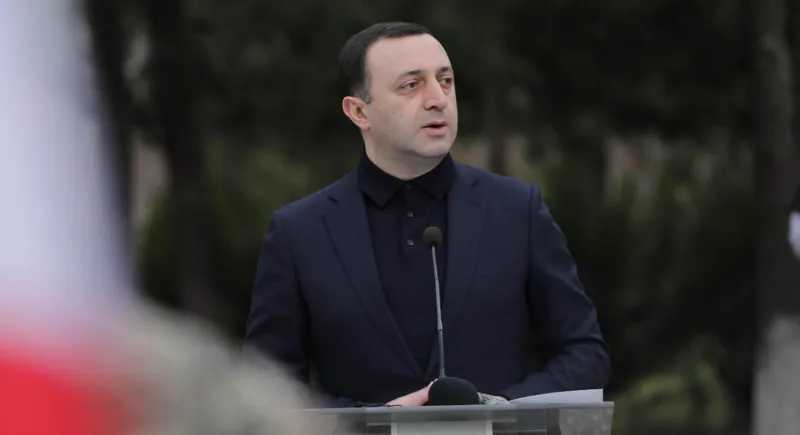
2 min readIrakli Gharibashvili was questioned by the Anti-Corruption Agency, who fully cooperated with the investigation and admitted to receiving illegal income over the years.
Former Prime Minister Irakli Garibashvili was questioned by the State Security Service, where he confessed to receiving illegal income over the years. He fully cooperated with the investigation. The agency is now considering charges and potential pre-trial measures.